|
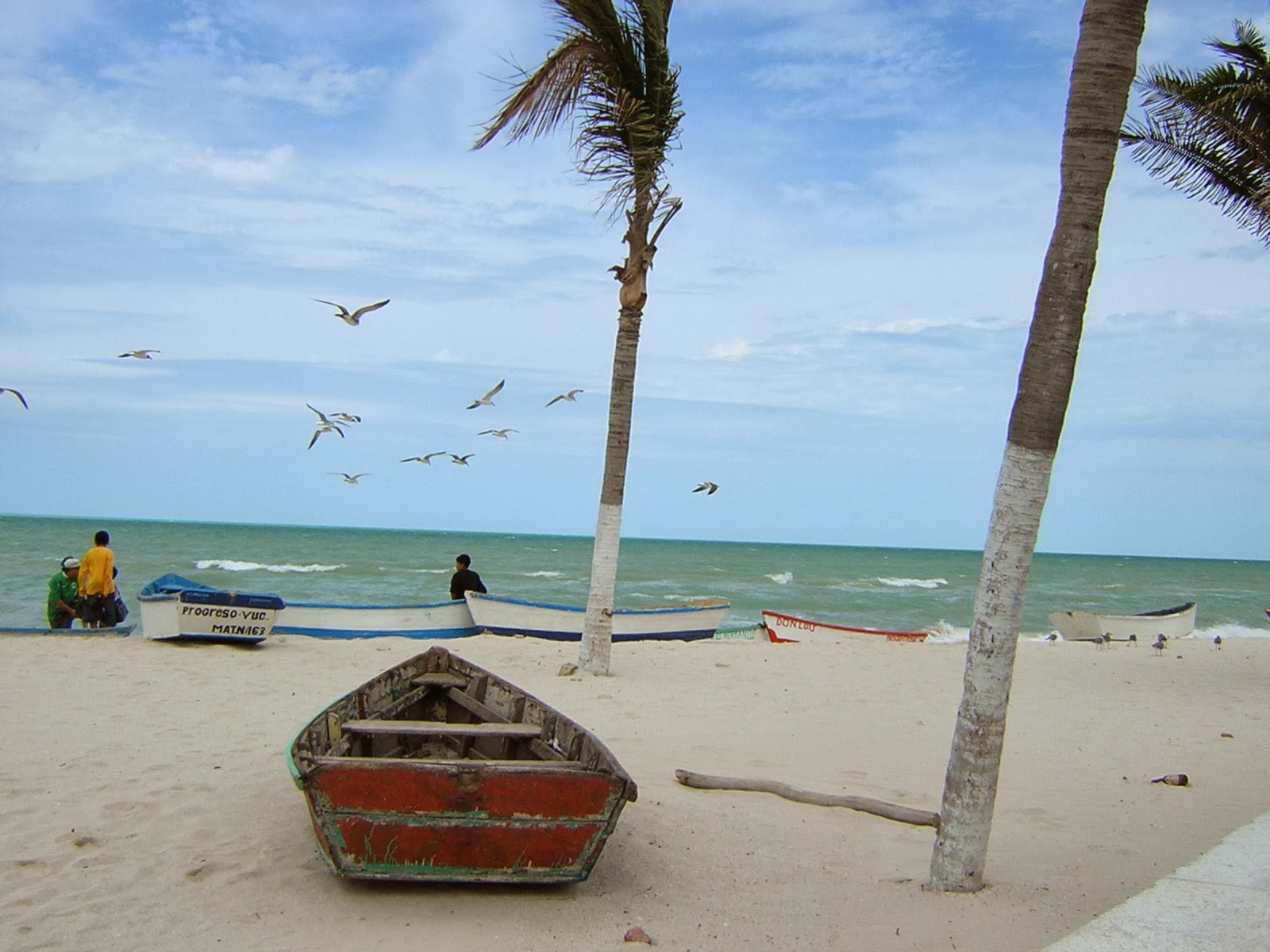
| Fishermen selling their catch on the waterfront at Progreso, Yucatan. |
Dead zones and red
tides have similar attributes but are different entities; both feed on sea born
nutrients and destroy marine life.
Dead zones are hypoxic areas. Hypoxic refers to low oxygen concentration
that cause living creatures to suffocate and die.
The world’s largest dead zone is in the Baltic Sea. The
Baltic Sea is surrounded by ten countries including St. Petersburg, Russia St.
Petersburg has a population of eight million.
The Gulf of Mexico is in second place.
Rain water runoff from the Midwest washes nutrient rich fertilizers,
pesticides, and herbicides plus excrement into rivers causing inorganic deserts
down stream. Eventually the runoff reaches the Mississippi River and then the
Gulf of Mexico.
Dead zones in the Gulf of Mexico have occurred naturally.
Spanish Conquistadors observed red tides associated with dead zones when they
arrived in the Gulf of Mexico. They were caused by rain driven purges of rivers
and wetlands in the early 1500s.
Nutrient pollution is the cause of dead zones. Excess
nutrients running down rivers stimulate growth of algae, which then sink and
decompose. This process consumes oxygen resulting in a deadly imbalance.
Dead zones are found along the East Coast, the Gulf of
Mexico, and the Great Lakes.
A dead zone begins in Sarnia, Ontario, known as Canada’s
chemical valley in southern Lake Huron. This dead zone flows south in the St. Claire River to Lake St. Claire, the Detroit River, and
south into Lake Erie.
There is no part of the country or the world that is immune.
Global warming expands the growth of ocean dead zones. Warmer
water holds less oxygen, and the world's dead zones are in areas where
yearly temperatures are increasing.
In 1960 there were 49 dead zones world-wide, now there are
well over 400 according to the Scientific American. Some say the count is
1,000-plus globally.
More land has been converted to agriculture since 1945 than in
the 18th and 19th centuries combined. Synthetic
fertilizers, herbicides and insecticides made expansion of agriculture possible.
Excess nitrogen from burning coal, oil, and natural gas plus
all fecal matter add destructive amounts of nitrogen to marine ecosystems.
Phytoplankton and seaweed expand explosively. Discharges
from the Amazon and Orinoco Rivers of South America where deforestation coupled
with reckless agriculture practices generate out-of-control growth of Sargassum
seaweed. This is naturally carried across the Caribbean Sea by the currents to
the Yucatan Peninsula, 1,700 miles away. Recently the Sargassum piled up to three
meters high on the beaches from Cancun south to Belize. It dried, rotted and
killed tourism.
Toxic algal blooms known as “red tide” create conditions
where most marine life cannot survive.
In high concentrations, the toxin of the bloom paralyzes the
central nervous system of marine life.
Red tide is harmful to human health. Eating contaminated shellfish
can kill. It even kills manatees and dolphins, warm blooded mammals breathing
air.
These algae- phytoplankton are single-celled organisms that
form thick surface patches. Some of the many species are brown to red or
discolored and murky.
Eye and respiratory irritation are serious but lung disease
or asthma suffers fare worse.
In Yucatan, Mexico, our second red tide passed this year
devastating marine life. Hordes of people rushed to scoop up dead or dying
lobsters and fish. Some of this pestilence found it its way to markets and
restaurants. The health department issued statements regarding the danger of
eating seafood contaminated by red tide but they were largely ignored.
In July my wife and I swam in the first red tide
contaminated waters, became extremely sick, and are still recovering after
potent medications.
Amazingly the tourist industry lobby trumps the health
department so no warnings are posted on the beaches.
We love the sea and seafood…but can’t trust it!